<< Back
Cold or Numb Feet? It Could Be PAD
July 14, 2026
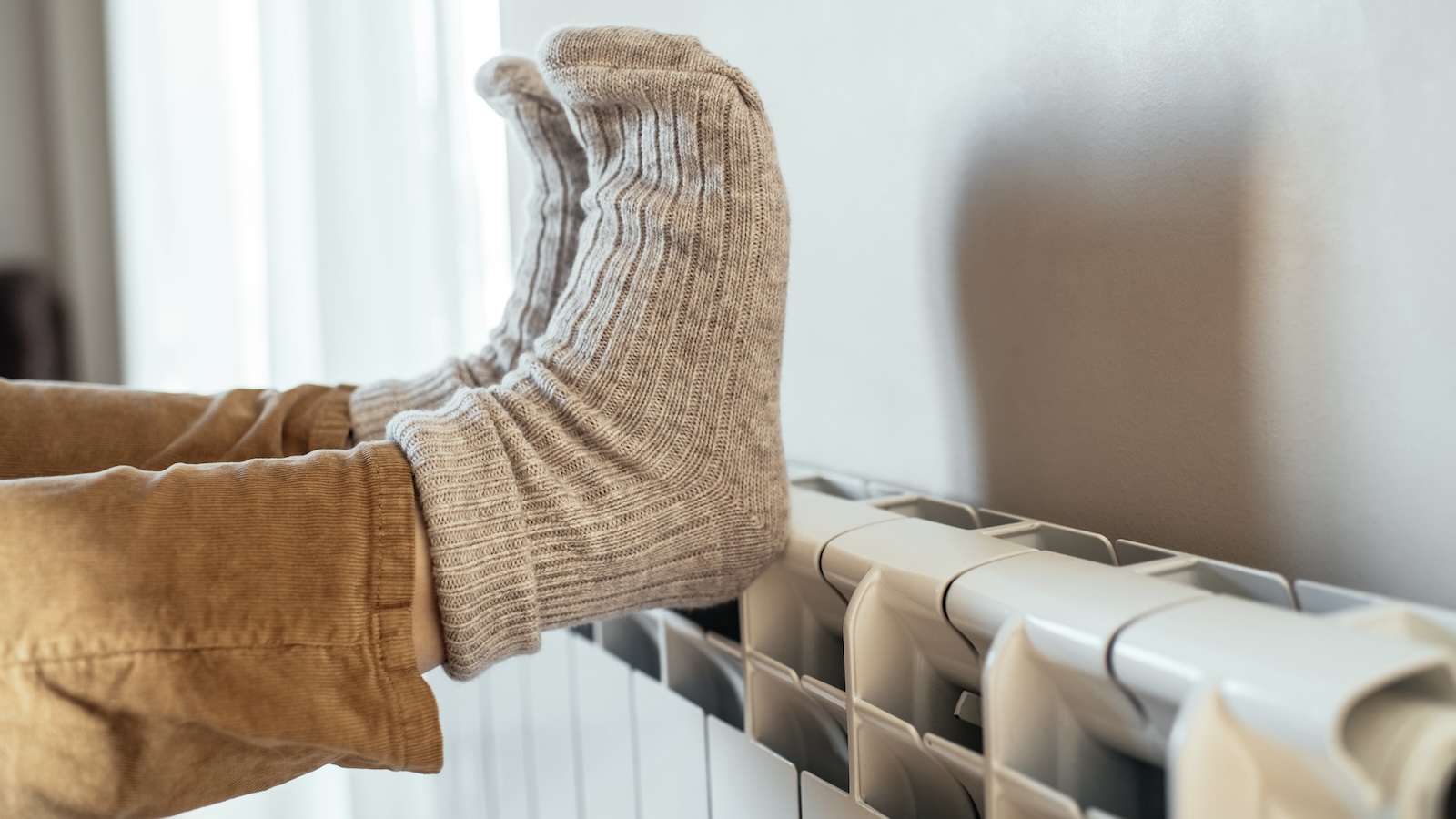
Cold feet on a winter day are usually nothing to worry about.
But if your feet are cold when the rest of you is warm, or you notice numbness or pain when you walk, it might be more than the weather
“It could be Peripheral Artery Disease (PAD), and it may be surprising to learn that cold feet can be a vascular issue,” says Amandeep Juneja, MD, a vascular surgeon with the Hartford HealthCare Heart & Vascular Institute. “Sometimes it’s the first clue that blood flow to the legs isn’t what it should be.”
Here’s how to tell when cold feet may point to a circulation problem and when it’s time to take action.
What is PAD and why does it matter?
Peripheral artery disease happens when plaque builds up in the arteries that carry blood to your legs and feet.
“It’s a narrowing or hardening of those arteries, which limits blood flow to your extremities,” explains Dr. Juneja. “That means your feet don’t get the oxygen they need.”
You might feel:
- Cramping or discomfort with activity (called claudication).
- Feet that stay cold, even when you try to warm them up.
- One foot feels colder than the other.
- Numbness or tingling.
- Sores that take longer to heal.
- Changes in hair or nail growth on your legs or feet.
“PAD pain usually shows up with activity and gets better with rest,” says Dr. Juneja. “That pattern is something we pay close attention to.”
> Related: What Causes Peripheral Artery Disease?
It’s not just about your legs
Peripheral artery disease is a form of atherosclerosis, meaning plaque can build up in arteries throughout your body.
“The legs are often the warning system,” says Dr. Juneja. “PAD can be a sign there’s plaque in other arteries, too.”
About 1 in 20 Americans over age 50 has PAD. And it doesn’t just affect circulation. It also raises your risk of heart attack, stroke and other serious vascular problems.
> Related: Is Peripheral Artery Disease Causing Your Leg Pain?
Some people are more likely to develop PAD
PAD becomes more common as you get older, especially after age 60.
Your risk is higher if you:
- Smoke.
- Have diabetes.
- Have high blood pressure.
- Have high cholesterol.
- Have a family history of vascular disease.
“We have to be extra vigilant in patients with diabetes,” says Dr. Juneja. “It can cause nerve damage that masks pain, so PAD may go unnoticed longer. They may not feel symptoms the same way – even when blood flow is limited.”
Cold or numb feet might have other causes
There are a few other common causes your doctor may consider:
- Peripheral neuropathy: Often linked to diabetes. It can cause burning, numbness, tingling or a “pins and needles” feeling. Some people say it feels like they’re wearing thick socks.
- Raynaud’s or cold sensitivity: Temporary blood vessel spasms can be triggered by cold or stress. These episodes come and go, often causing color changes (white, blue, red) and usually get better when you warm up.
- Other causes: Less commonly, symptoms can be related to vitamin deficiencies, thyroid disorders, certain medications or autoimmune conditions.
“Symptoms can sometimes overlap, which is why proper evaluation is so important,” says Dr. Juneja. “And because PAD is common and can be serious, don’t ignore ongoing symptoms.”
> Related: 5 Surprising Signs of Neuropathy
When to see a doctor
Cold or numb feet aren’t always harmless.
Sometimes, they’re your body’s way of signaling something isn’t right.
“If symptoms stick around or start getting worse, it’s worth getting checked,” says Dr. Juneja. “Your feet may be telling you more than you think, and the sooner we find out what’s happening, the sooner we can get you the right treatment.”