<< Back
Do You Really Need 10,000 Steps a Day?
July 20, 2026
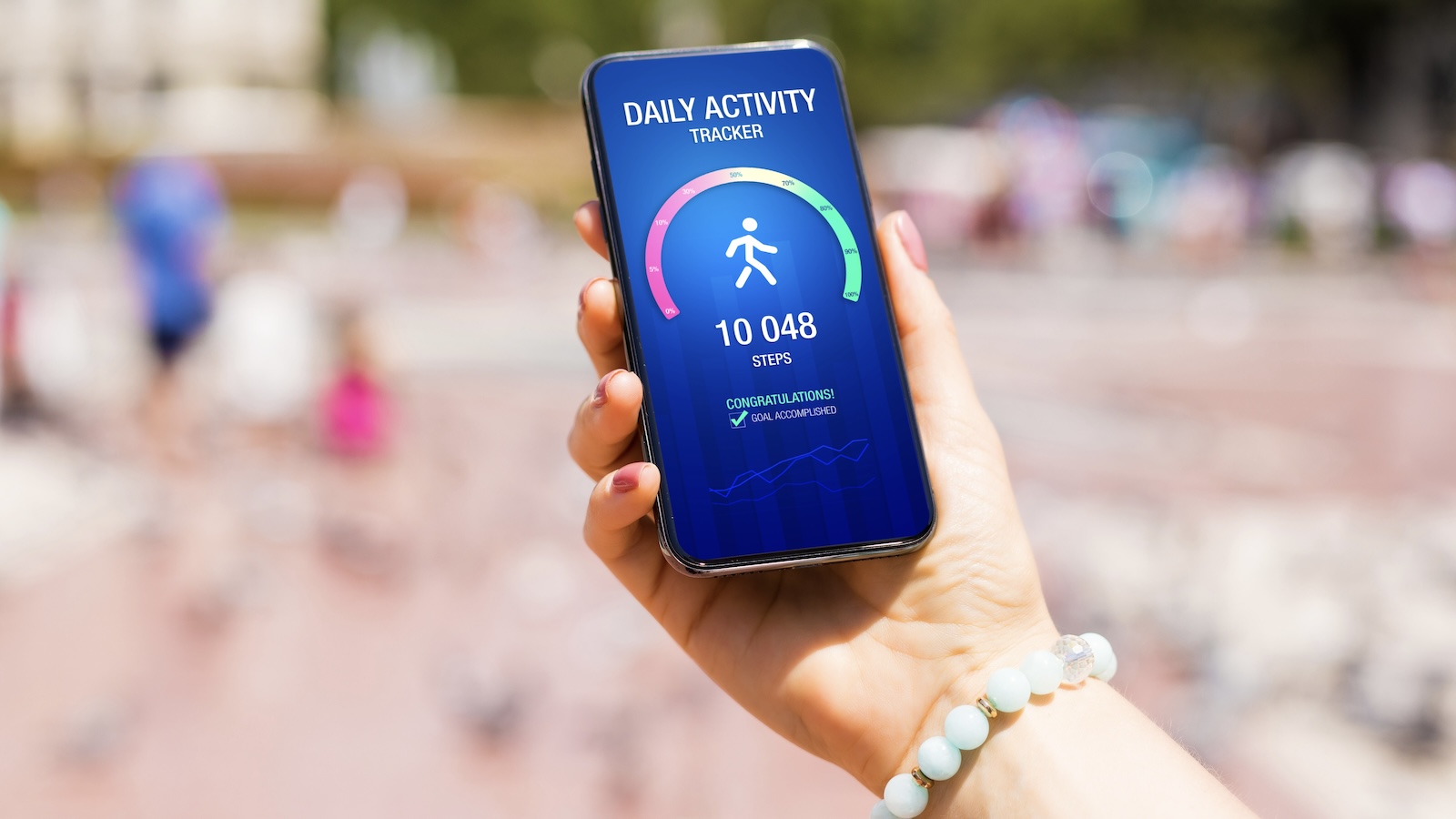
You checked your step count.
And somehow, even after walking around the office, running errands and taking the long way to your car, you’re still nowhere near 10,000 steps.
So now it feels like you failed. But here’s the good news: 10,000 steps isn’t a magic number.
“Walking is one of the simplest ways to support your health, but you don’t have to hit 10,000 steps every day to benefit,” says Christelle Nimba, APRN, a primary care provider with Hartford HealthCare Medical Group. “For many people, adding more movement than they’re getting now is what matters most.”
So, do you really need 10,000 steps a day?
Not necessarily.
But your step count can still tell you something useful, especially when you use it as a starting point instead of a pass-fail test.
2,000 steps: Start with where you are
If you’re getting around 2,000 steps a day, you’re probably spending a lot of time sitting.
That can happen more easily than you think, especially if you work at a desk, drive most places or spend long stretches on the couch after a busy day.
But 2,000 steps isn’t a reason to give up.
It’s a baseline.
“This is where small changes can make a big difference,” Nimba says. “If someone is starting at a low step count, the goal shouldn’t be jumping straight to 10,000. It should be finding realistic ways to move a little more.”
That might mean a five-minute walk after lunch. Parking farther away. Or taking one loop around the block before you check the mail.
And if that brings you closer to 3,000 steps, that counts.
The first goal is simple: Start from where you are.
> Related: These 10 Houseplants Can Help Freshen Up Your Home
3,000 to 4,000 steps: Small walks still count
At 3,000 or 4,000 steps, you’re starting to add more movement into your day.
Maybe you took the stairs once. Walked during a phone call. Got up from your desk a few more times than usual.
That may not sound like much, but it matters.
“People often underestimate short walks,” Nimba says. “But movement throughout the day adds up, especially when it helps break up long periods of sitting.”
This is the stage where consistency matters more than perfection.
You don’t need a formal workout. You need more chances to stand up, walk around and give your body a reason to move.
And once you get closer to 4,000 steps, you may start to feel the difference. Walking may feel a little easier. Your legs may feel less stiff. You may even notice more energy after meals.
> Related: Your Spouse Is Golfing. Here Are 7 Healthy Things You Can Do Instead
5,000 steps: You’re building a real routine
For a lot of people, 5,000 steps is a realistic goal.
It’s enough to require some intention, but not so much that it takes over your day.
You might get there with a few short walks, some errands and a little extra movement around the house.
“Five thousand steps can be a great goal for someone who is trying to become more active,” Nimba says. “It feels achievable, and that makes people more likely to stick with it.”
This is also a good place to focus on patterns.
Can you walk for 10 minutes after dinner? Take a longer route through the grocery store? Get up once an hour during the workday?
Those small choices can make 5,000 steps feel much more doable.
And if you start moving toward 6,000 steps, even better. At that point, walking is probably becoming a regular part of your day, not just something you squeeze in when you remember.
7,000 steps: This may be enough for many people
This is where the 10,000-step rule starts to lose some of its power.
For many adults, 7,000 steps may be a practical goal with real health benefits.
It’s less intimidating than 10,000, but still gives your body a strong dose of daily movement.
“This is where we often see people getting a meaningful amount of activity without feeling like the goal is out of reach,” Nimba says. “For many people, 7,000 steps is a very reasonable target.”
That might look like your normal daily movement plus one intentional walk.
It doesn’t have to be fast. It doesn’t have to be fancy. It just has to happen often enough to become part of your routine.
And if you’re getting closer to 8,000 steps a day, that’s great too. You’re likely spending less time sitting, moving more throughout the day and giving your body regular activity.
But that doesn’t mean everyone needs to force themselves to get there.
“More steps can be beneficial, but the right goal depends on the person,” Nimba says. “Age, fitness level, health conditions, schedule and mobility all matter.”
Your step count should support your health, not punish you.
> Related: The 4-Step Morning Routine That Can Change Your Whole Day
10,000 steps: Helpful, but not magic
There’s nothing wrong with aiming for 10,000 steps a day.
For some people, it’s motivating. It can encourage more walking, less sitting and a more active lifestyle overall.
But it’s not the only number that matters.
“Ten thousand steps can be a good goal for some people, but it’s not a requirement for good health,” Nimba says. “The biggest gains often come from moving from very little activity to more consistent daily movement.”
So if 10,000 steps gets you outside and keeps you motivated, go for it.
But if it makes you feel like anything less is pointless, it may be doing more harm than good.
> Related: 5 After-Work Habits That Can Make or Break Your Health
Your best step goal is the one you’ll repeat
Instead of obsessing over 10,000 steps a day, look at where you are now.
Then add a little.
If you’re at 2,000, aim for 3,000.
If you’re at 4,000, try 5,000.
If you’re already around 7,000, maybe your next goal is consistency, not more.
“The best goal is one that feels realistic enough to repeat,” Nimba says. “Walking should feel like something you can build into your life, not something you’re constantly failing at.”
So no, you don’t need 10,000 steps a day every single day.
Your step count is just a tool, not a test.
The best goal is one that supports your health, fits your life and feels realistic enough to repeat.