<< Back
What Exactly Does a Pacemaker Do?
July 21, 2026
Your heart is supposed to keep a steady beat without you ever thinking about it.
But when that rhythm slows down or gets disrupted, it can leave you feeling tired, lightheaded or off in ways that are hard to ignore.
“A pacemaker helps regulate the heart’s rhythm when the heart is beating too slowly or irregularly,” says Meir Friedman, MD, a cardiac electrophysiologist with the Hartford HealthCare Heart & Vascular Institute. “It works by sending small electrical signals to help the heart maintain a safe, stead beat.”
Here’s what a pacemaker actually does.
It helps keep your heart from beating too slowly
Your heart has its own electrical system that tells it when to beat.
But sometimes, that system doesn’t work the way it should. The signals can slow down, get blocked or become unreliable.
“When the heart rate drops too low, the body may not get enough blood flow to meet its needs,” Dr. Friedman says. “That’s when people may start noticing symptoms like fatigue, dizziness or even fainting.”
A pacemaker monitors your heart rhythm and steps in when needed to help keep your heartbeat at a safer rate.
> Related: 6 Signs Your Heart Might Be Struggling
It sends tiny electrical impulses to your heart
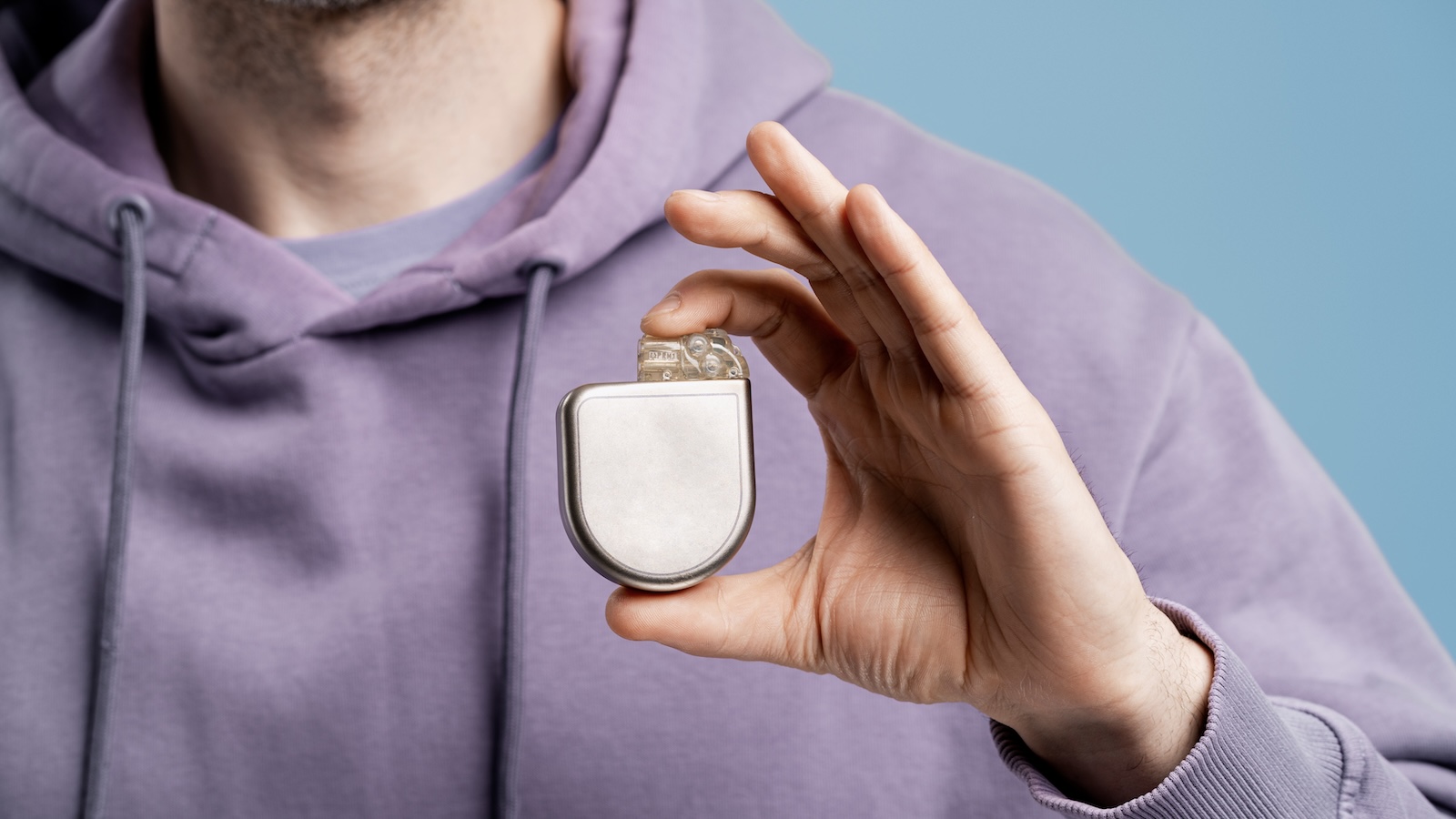
A pacemaker is a small device placed under the skin, usually near the collarbone.
It’s connected to your heart by thin wires called leads. Those leads deliver electrical impulses when your heart needs support.
“Many people think a pacemaker is constantly making the heart beat, but that’s not actually the case,” Dr. Friedman says. “Most of the time, it’s simply monitoring the rhythm and only activating when needed.”
That means the device works quietly in the background, helping your heart stay on track.
> Related: 6 Healthy Breakfast Ideas Your Heart Will Love
It doesn’t replace your heart
A pacemaker supports your heart’s electrical system – but it doesn’t take over the job of your heart muscle.
Your heart still pumps blood on its own. The pacemaker just helps make sure the timing of those beats stays appropriate.
“It’s not replacing the heart or restarting it over and over,” Dr. Friedman says, “It’s there to help coordinate the rhythm so the heart can do its job more effectively.”
That’s an important distinction, especially since many people hear the word “device” and imagine something much more dramatic.
> Related: 4 Signs Your Heart Isn’t Beating The Way It Should
It can help relieve symptoms
Some people find out they need a pacemaker after developing symptoms that interfere with daily life.
These may include:
- Fatigue
- Lightheadedness
- Fainting
- Shortness of breath
- Exercise intolerance
“When the heart rhythm is too slow, patients often notice they just don’t have the same energy or stamina,” Dr. Friedman says. “Correcting that rhythm can make a meaningful difference in how they feel day to day.”
For many people, getting a pacemaker can help them return to normal routines with more confidence and fewer symptoms.
> Related: 7 Easy Ways to Protect Your Heart as You Age
It may also help your heart beat more efficiently
In some cases, pacemakers are used for more than just a slow heart rate.
Certain specialized devices can help the heart’s chambers beat in better coordination, which may improve how efficiently the hart pumps blood.
“Pacemakers can be used in different ways depending on the patient’s condition,” Dr. Friedman says. “The goal is always to support the heart’s rhythm in a way that improves function and helps patients feel better.”
The exact type of pacemaker depends on what’s causing the rhythm problem and what your heart needs.
It requires monitoring, but most people live normally with one
After a pacemaker is placed, your care team will check it regularly to make sure it’s working properly and that the settings are right for you.
But day to day, most people don’t feel the device working.
“Most patients are able to get back to their regular activities after recovery, with a few precautions based on their individual situation,” Dr. Friedman says.
“Pacemakers are very reliable, and we monitor them closely over time.”
Your doctor will let you know when it’s safe to return to things like exercise, work and other daily activities.
> Related: 8 Things That Can Raise Your Blood Pressure Besides Salt
If your doctor recommends a pacemaker, don’t be afraid to ask questions
If your doctor has mentioned a pacemaker, or you’ve been told you have a heart rhythm issue, don’t be afraid to ask questions.
Understanding what a pacemaker does can make the idea of getting one feel much less intimidating.
“A pacemaker is designed to support the heart, not limit your life,” Dr. Friedman says.