<< Back
10 Wellness Trends Everyone’s Trying Right Now. Here’s What Actually Works
August 21, 2026
From protein coffee to cold plunges, wellness trends are everywhere right now.
Some promise better energy, improved sleep or faster recovery. Others go viral on social media almost overnight.
But just because something is trending doesn’t mean it belongs in your routine.
“Not every wellness trend is necessary, but some can support your health when used appropriately,” says Mehak Gandhi, MD, a primary care provider with Hartford HealthCare Medical Group. “The key is understanding what actually works and what fits into your routine.”
So which wellness trends are actually worth trying? Here’s what to know.
1. Protein coffee and drinks
Adding protein to your morning coffee has gone mainstream.
Starbucks now offers protein lattes and protein cold foam, while Dunkin’ has added protein milk that can be mixed into coffee, lattes and other drinks.
“Protein can help with satiety and muscle maintenance, especially if you’re not getting enough through meals,” Dr. Gandhi says.
But it’s not always necessary.
If your diet already includes enough protein, adding it to coffee may not offer much additional benefit. And some drinks can be high in sugar or calories.
And your body can also only use so much protein at one time, so more is not always better.
For some people, protein coffee can be a convenient option. Just don’t think of it as a requirement.
> Related: Not All Protein Bars Are Healthy. Here’s How to Tell
2. Red light therapy and masks
Red light therapy is everywhere right now, especially in the form of at-home face masks that promise better skin, less inflammation and faster recovery.
“There is some emerging evidence that red light therapy may support skin health and reduce inflammation,” Dr. Gandhi says.
But not every device delivers the same results. The wavelength, strength and how consistently you use it can all make a difference.
At-home masks may offer mild benefits, especially for skin concerns, but they’re not a replacement for medical treatment. If you’re using one for a specific reason, it’s worth checking with your healthcare professional first.
> Related: Does Red Light Therapy Work?
3. Magnesium for sleep
Magnesium has become a go-to supplements for anyone trying to fall asleep faster or wake up feeling more rested.
“Magnesium plays a role in muscle and nerve function, and it may help promote relaxation,” Dr. Gandhi says.
Some people find it helpful, especially if they have a deficiency.
But it’s not a cure-all. Sleep habits, stress and screen time often play a bigger role.
> Related: Can These 3 Supplements Really Improve Your Sleep?
4. Probiotics and prebiotics
If “gut health” seems to be everywhere lately, you’re not imagining it.
Probiotic supplements, prebiotic powders and fermented foods have all become popular ways to support the trillions of microorganisms that live in your digestive system.
“Probiotics can support the balance of bacteria in the gut, while prebiotics help feed those bacteria,” Dr. Gandhi says.
But that doesn’t mean everyone needs a supplement. Certain probiotics can help with specific digestive problems, but the benefits depend on the strain and the condition that’s being treated.
For most people, whole food is a good place to start rather than supplements. Fiber-rich foods naturally provide prebiotics, while fermented foods like yogurt, kimchi and sauerkraut can help add beneficial bacteria to your diet.
5. Cold plunges
Cold plunges have become popular for everything from workout recovery to mental resilience.
“There may be short-term benefits, like reduced muscle soreness,” Dr. Gandhi says. “But it’s not essential for most people.”
Sudden exposure to cold water can put stress on your cardiovascular system, so people with heart conditions or other health concerns should talk to their healthcare professional first.
> Related: Can Cold Plunges Improve My Health?
6. Intermittent fasting
Intermittent fasting shifts the focus from what you eat to when you eat. And for many people, that’s a big part of the appeal.
“Some people find it helpful because it creates structure around eating,” Dr. Gandhi says.
But it’s not for everyone. For some people, going long stretches without feed can result in low energy or overeating. And if you have a medical condition or take medications that affect blood sugar, be sure to talk to your healthcare professional before trying intermittent fasting.
> Related: Why You Should Never Skip Breakfast – Even on Busy Mornings
7. Pilates
Unlike other wellness trends, pilates has pretty straightforward benefit. It gets you moving.
“Pilates can improve flexibility, strength and stability,” Dr. Gandhi says.
It’s also low-impact, which makes it a good option for people who don’t enjoy running or other high-impact workouts.
The best exercise is one that you enjoy enough to do consistently, so if Pilates excites you, consider it a trend worth trying.
> Related: 5 After-Work Habits That Can Make or Break Your Health
8. Creatine
Creatine was once mostly associated with athletes and bodybuilders, but it’s now gaining more attention for potential benefits that go beyond the gym, including muscle health and brain function.
“Creatine can support muscle performance and strength, especially during high-intensity activity,” Dr. Gandhi says.
And unlike some wellness trends, creatine has been studied for decades. It’s been shown to help improve strength, support muscle growth and maintain muscle as you age.
Researchers are also looking at possible benefits for memory and brain health, although that research is still developing.
If you’re considering adding it to your routine, talk to your healthcare professional about whether it makes sense for you and how to use it safely.
> Related: 5 Things to Know If You Take Creatine
9. Walking pads
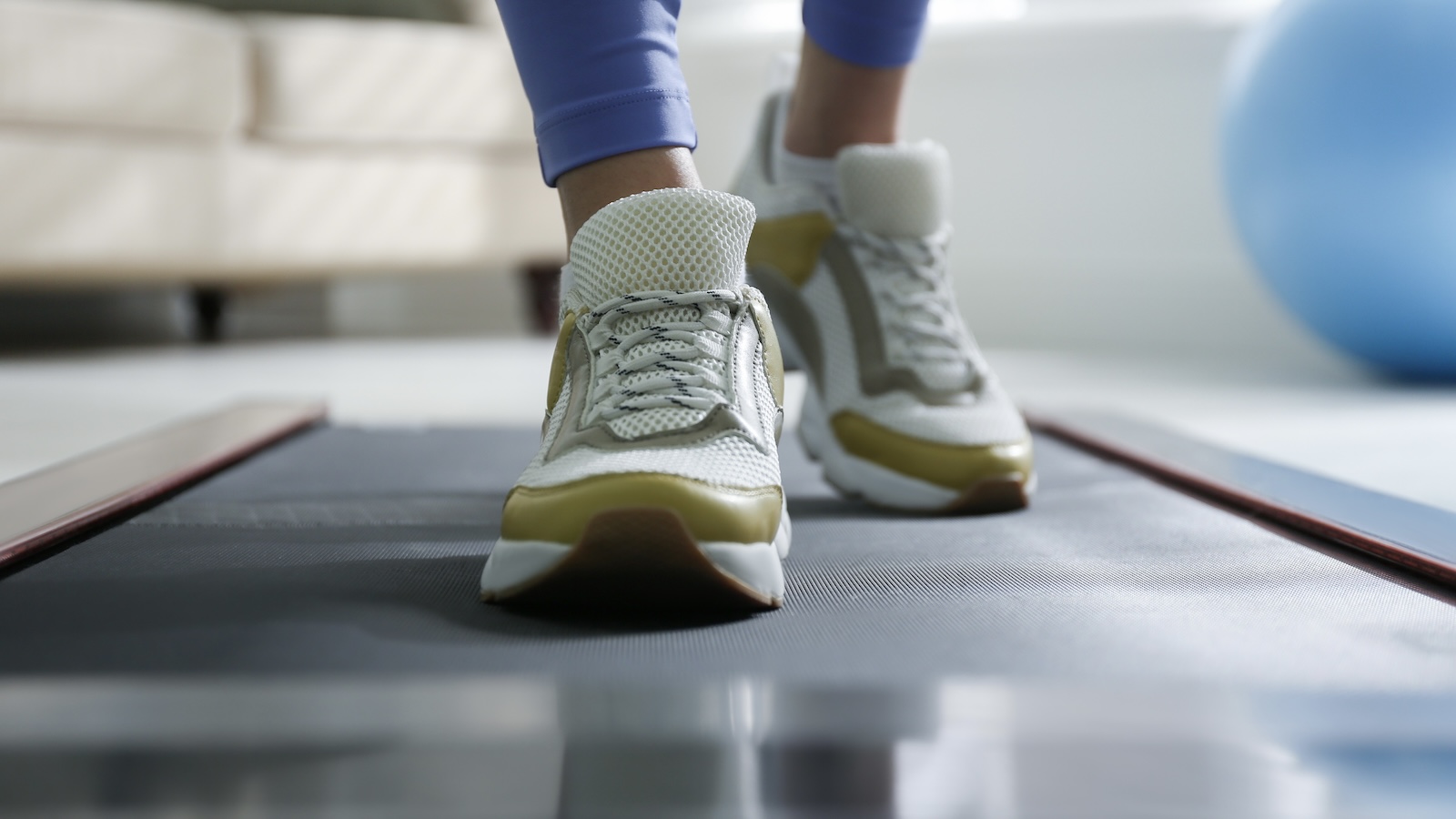
If your job keeps you glued to a desk all day, a walking pad can make it a little easier to sneak in more movement.
“They can help reduce long periods of sitting and encourage more daily movement,” Dr. Gandhi says.
And you don’t necessarily have to work up a sweat for that movement to count. A slow walk while you answer emails, listen to a meeting or watch TV still gets you out of your chair.
But you don’t need to buy anything to get the same benefit. A few short walks throughout the day offer the same benefits.
> Related: The 4-Step Morning Routine That Can Change Your Whole Day
10. Sea moss
Sea moss has shown up in smoothies, gummies, gels and plenty of social media feeds.
And the claims are impressive. Depending on who you ask, it can supposedly improve your skin, digestion, immunity and more.
But this is one trend where the hype gets ahead of the evidence.
“Sea moss does contain some vitamins and minerals, but many of the claims are not well supported by strong evidence,” Dr. Gandhi says.
As with any supplement, be sure to talk to your healthcare professional before starting it.
> Related: These 10 Houseplants Can Help Freshen Up Your Home
Focus on what works for you
With so many wellness trends, it’s easy to feel like you need to try everything.
But the basics still matter most.
“Regular exercise, balanced nutrition, good sleep and stress management have the biggest impact on long-term health.”